Q&A A Change in the Education Model
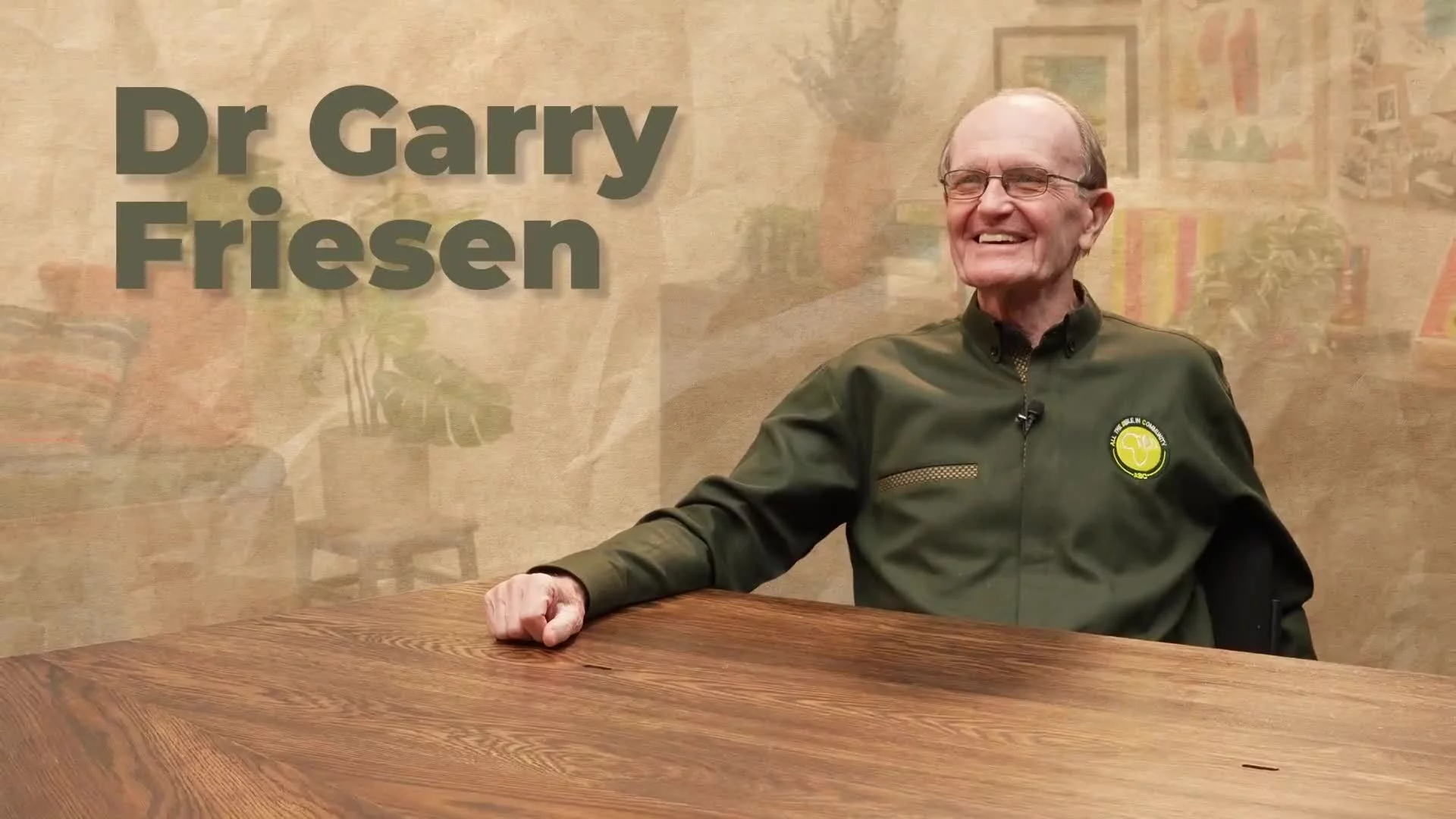
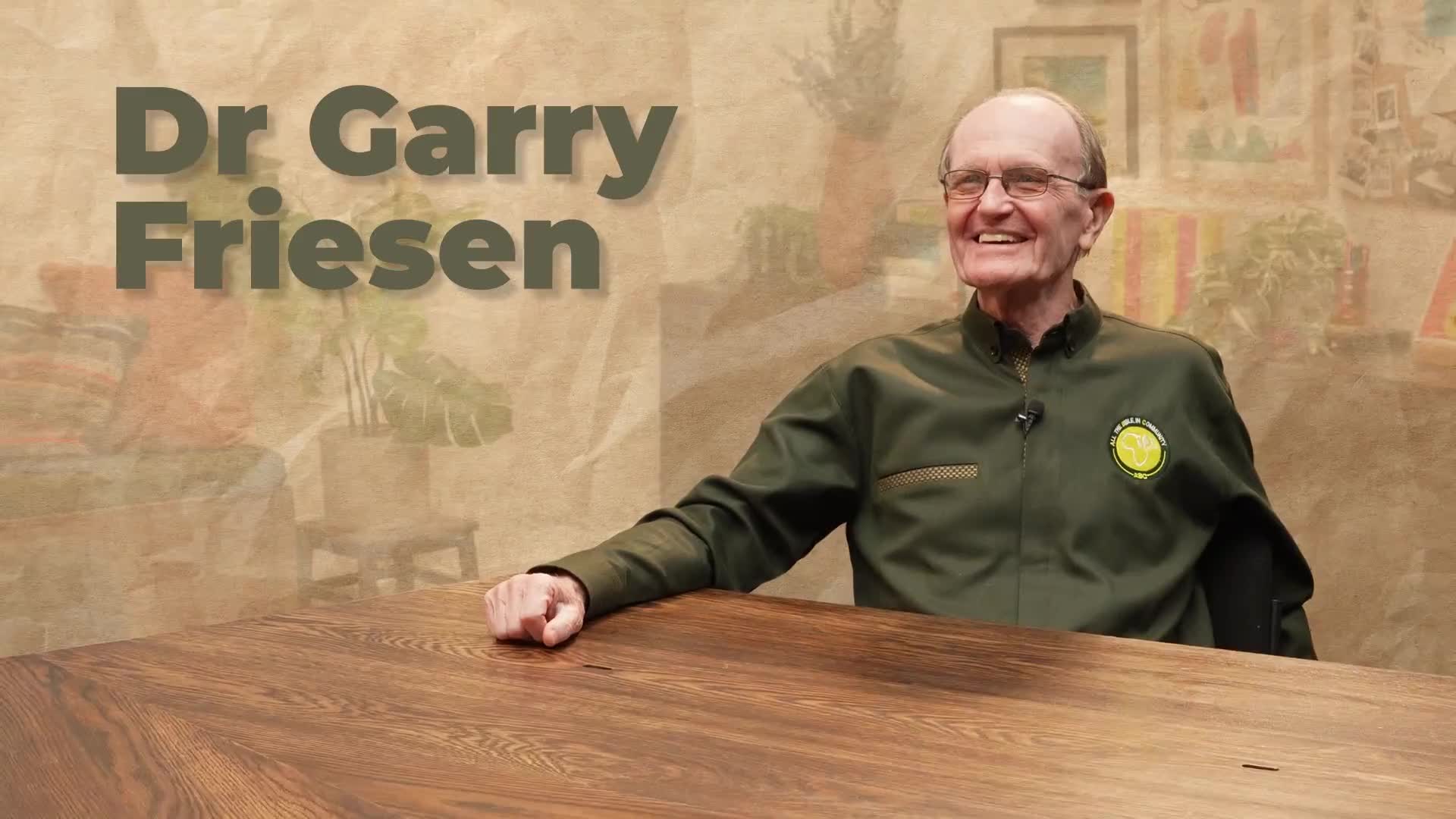
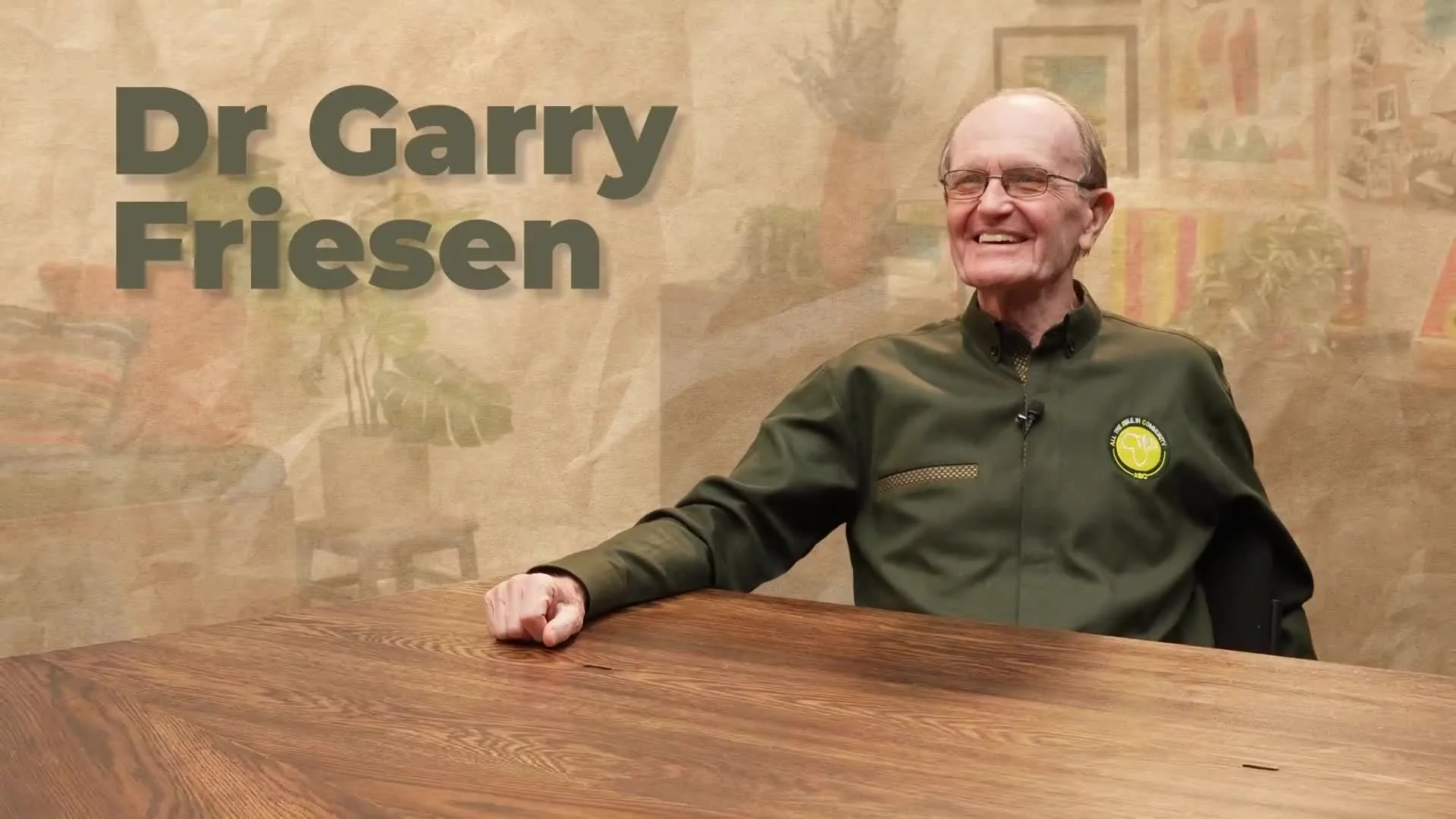
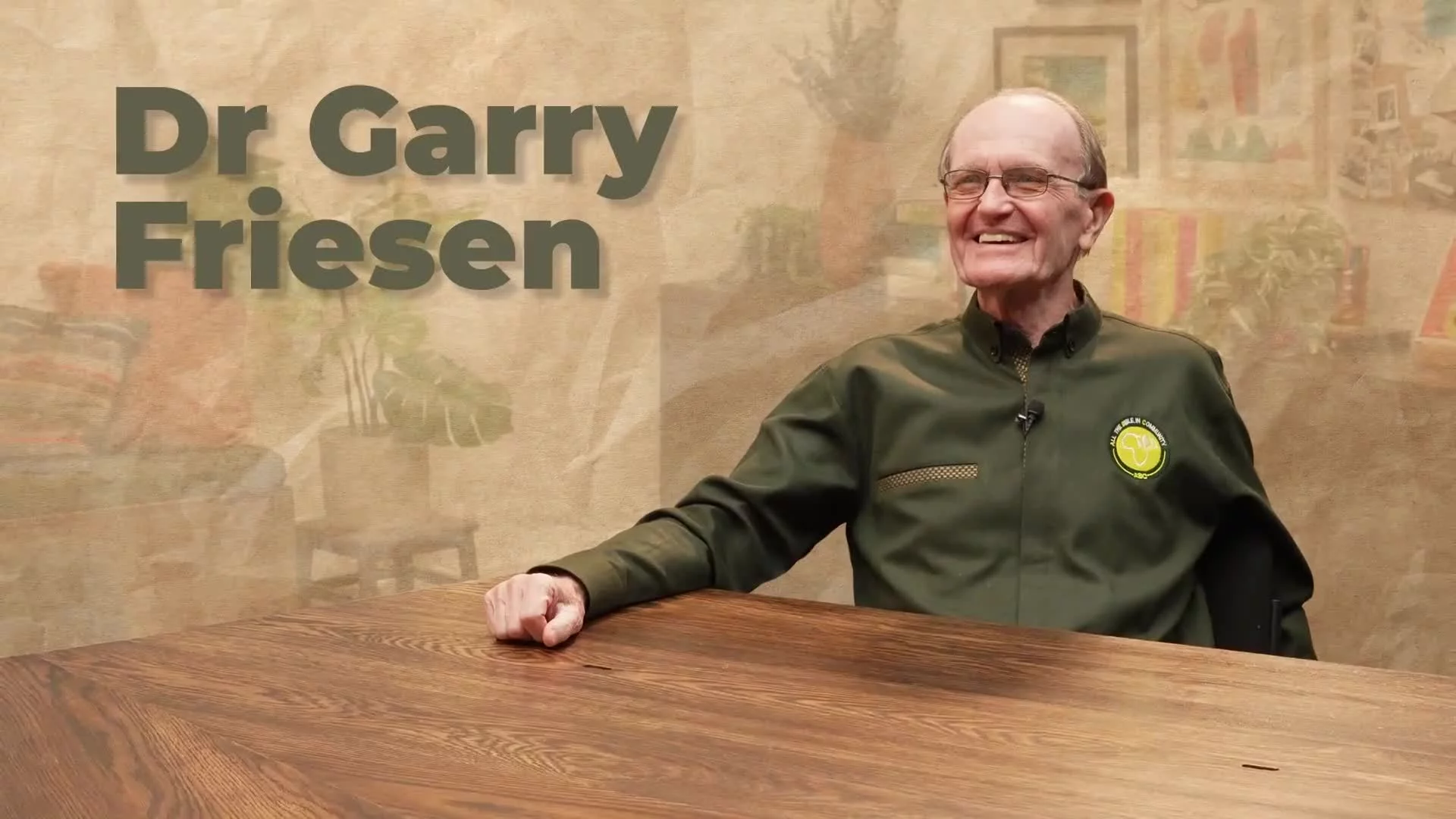
Rethinking the Model of Bible Education In this episode, Dr. G reflects honestly on whether it’s time to move from a single-campus Bible college model to multi-campus, decentralized, or online approaches. While he openly admits he’s a “holdout” at heart—loving the immersive, in-person model he was formed by—he also acknowledges that the future will have to look different. Dr. G argues that while a few strong residential campuses may still survive, most Bible training must become more decentralized, with the local church reclaiming a central role in formation. Schools and seminaries still do certain things best—like advanced biblical languages and theological depth—but they were never meant to do everything. Other parts of ministry formation are best learned shoulder-to-shoulder with people actually doing the work in real communities. He also addresses online education with nuance. In both the U.S. and Rwanda, he sees its limits unless it’s paired with in-person community, discussion, and capable on-site leadership. Watching content alone isn’t enough; formation requires people in the same room, wrestling with truth together. Drawing from his missionary experience, Dr. G connects this to a broader conviction: the church should not just fund education and missions—it should help shape them. When the church is put back at the center, with schools and agencies serving alongside it, something healthier and more faithful can emerge.
In This Video
• Is the traditional Bible college model still viable?
• Why decentralization is unavoidable—but not all bad
• The limits of online education without embodied community • What the church does better than schools (and vice versa)
• Holding on to the best of the old model while embracing change
• Why advanced biblical studies still matter deeply
About This Series
This video is part of an ongoing conversation with Dr. Garry Friesen (Dr. G), reflecting on Bible education, the legacy of Multnomah School of the Bible, and the future of theological training in both the U.S. and Rwanda.
Stay Connected
If these reflections resonate with you, consider liking, subscribing, and sharing with others who care about faithful Bible training and the future of the church.
Donate
The production of these videos was provided by the Multnomah Family Team, if you would like to help sponsor more videos like this, please contact us here.